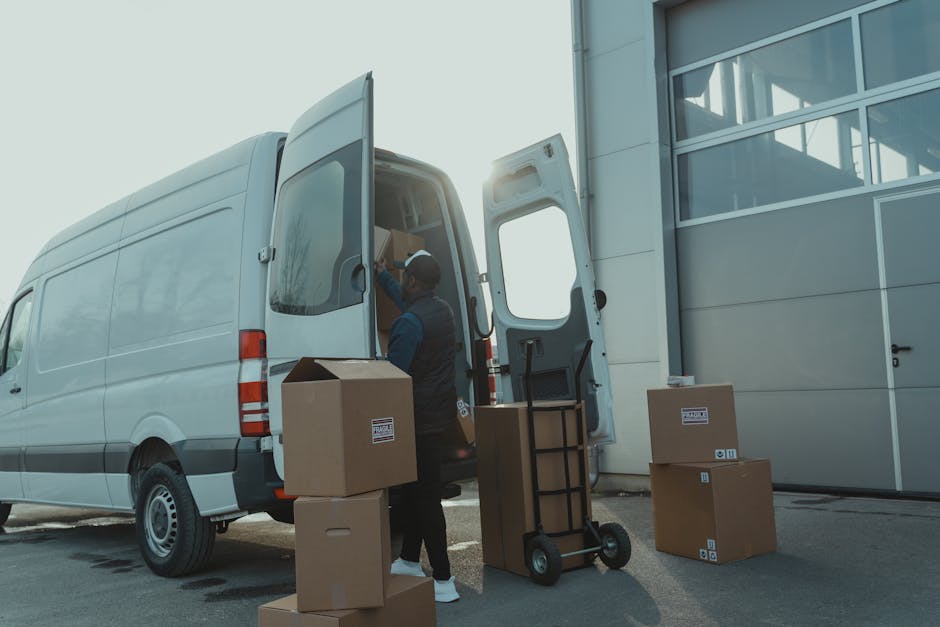
Shortlands flat moves man and van tips for tight access
If you are planning a flat move in Shortlands and the access looks awkward, you are not alone. Narrow stairwells, shared entrances, limited parking, awkward corners, and top-floor flats can turn a simple move into a bit of a dance. The good news is that with the right Shortlands flat moves man and van tips for tight access, you can make the day smoother, safer, and far less stressful.
This guide is written for real-world moving situations: the kind where a van cannot just pull up outside the door and everything has to be thought through properly. You will find practical advice on measuring access, choosing the right van size, packing for tight spaces, reducing carry distance, and avoiding the small mistakes that cause big delays. There is also a simple checklist, a comparison table, and a realistic example so you can picture how it all works.
To keep things grounded, I have also linked to a few useful pages on our site, including flat removals, man and van, and pricing and quotes, because a tight-access move is often as much about choosing the right service as it is about planning the boxes.
Table of Contents
- Why tight access matters for Shortlands flat moves
- How a man and van move works in a tight-access flat
- Key benefits and practical advantages
- Who this is for and when it makes sense
- Step-by-step guidance
- Expert tips for better results
- Common mistakes to avoid
- Tools, resources and recommendations
- Law, compliance, standards, or best practice
- Options, methods, or comparison table
- Case study or real-world example
- Practical checklist
- Conclusion
- Frequently asked questions
Why Shortlands flat moves man and van tips for tight access Matters
Tight access changes everything. On paper, a flat move may look straightforward: a few boxes, some furniture, maybe a sofa, and a short trip to the new place. In practice, access issues can add time, effort, and risk very quickly. A van parked too far away means longer carries. A stairwell with a sharp turn can mean one person has to guide while another lifts and pivots. A low ceiling or narrow communal hallway can rule out certain items being carried in one piece.
Shortlands has plenty of homes where access can be perfectly manageable, but flat moves often need a bit more thought than people expect. Old buildings, busy roads, shared driveways, resident permit areas, and limited unloading space all affect how the move should be planned. If you ignore those details, you can end up with a vehicle that is too large, not enough help on the day, or a very tired team by lunchtime. And nobody wants that. Nobody.
This matters most when you are moving on a fixed schedule. Estate agents, landlords, lift bookings, parking windows, and same-day handovers do not leave much room for guesswork. A good plan helps you avoid those awkward delays where everyone is standing about with a wardrobe while someone tries to decide whether it will fit round the bend.
Expert summary: In a tight-access flat move, the best results usually come from simple things done early: measure properly, reduce bulky items, choose a workable vehicle size, and keep the carry route clear.
If you are still deciding what kind of service fits your situation, it can help to review broader options like removal services or removals before you commit. Sometimes the smartest choice is not the biggest one, but the one that suits the building.
How Shortlands flat moves man and van tips for tight access Works
A man and van move for a tight-access flat is really about adapting the move to the property instead of forcing the property to fit the move. The team will normally assess what can be accessed safely, what needs dismantling, where parking can happen, and how many trips are likely to be needed. That assessment is the difference between a tidy job and a chaotic one.
In a practical sense, the process usually looks like this: first you describe the property, then you share access details, then the mover decides what vehicle and labour setup make sense. For example, a small one-bedroom flat with a narrow staircase and no lift may be better handled with a compact van and careful loading, rather than a larger truck parked half a street away. A larger flat might still work with a van, but the route, parking, and item size need checking before moving day.
People often assume that tight access means the move is impossible. That is rarely true. It usually just means the move needs more planning and a more realistic approach. A good mover will want to know whether the road is narrow, whether parking is limited, whether there are stairs, whether there is an intercom or coded entry, and whether large items like beds, wardrobes, or appliances need dismantling. Those details are not admin fluff. They matter.
Another thing people sometimes overlook is the timing of access. A flat on a busy road may be easy to access at 8 a.m. and frustrating by 11 a.m. when traffic builds up or neighbours are parking. So yes, a move can depend on the clock a little more than people expect.
Key Benefits and Practical Advantages
When tight-access planning is done well, the benefits are immediate. The move feels calmer. Loading is cleaner. The risk of damage drops. And the price is often easier to understand because the work has been scoped properly from the start.
- Less lifting stress: Clear planning reduces unnecessary carrying, awkward backtracking, and repeated trips up and down stairs.
- Lower damage risk: Proper measurements and better packing protect walls, bannisters, door frames, and furniture edges.
- Better time control: A move with known access constraints is much easier to schedule honestly.
- Smarter vehicle choice: A compact van, larger removal van, or another setup can be chosen with the route in mind.
- More confidence on move day: You are not hoping the sofa will somehow magically squeeze through. It either will, or it will be prepared to dismantle.
There is also a quieter benefit: less mental load. Flat moves are already full of little decisions. If you can remove some of the uncertainty around access, the whole day feels more manageable. That counts for a lot.
For some moves, especially where furniture is being collected or passed on rather than moved into a new home, it may also make sense to look at furniture removals or furniture pick up. Not every item needs to travel with the whole household, and a lighter move is usually a happier move.
Who This Is For and When It Makes Sense
This approach suits a wide range of people, but it is especially useful if your flat move involves any of the following:
- top-floor flats without lifts
- narrow staircases or hallway turns
- restricted roadside parking
- shared entrances or communal corridors
- large furniture that may need dismantling
- timed access windows for loading or parking
- student moves with lots of smaller items
- last-minute or same-day relocations
If that sounds familiar, you are in the right place. A lot of people in flats think a man and van service is only for small, easy jobs. Not really. It is often the most sensible choice for awkward properties because it is flexible. You can work with the space you actually have, rather than the space you wish you had.
It also makes sense for people moving between flats of different sizes, shared houses, or temporary accommodation. Students, renters, and professionals with a short chain often benefit from this kind of setup because the move can be tailored without overcommitting to a vehicle that is too large for the road or the staircase. If you want a service designed around that kind of move, student removals may also be relevant, especially when boxes, bags, and small furniture are involved.
Step-by-Step Guidance
Here is a practical way to plan a tight-access flat move without turning it into a long, stressful saga.
- Walk the route from flat to van. Start at your front door and follow the exact path to where the van would park. Look for low ceilings, sharp corners, steps, narrow gates, and anything that forces a lift-and-turn movement.
- Measure the awkward bits. Measure door widths, stair landings, lift openings if relevant, and any furniture that might be too deep, wide, or tall to move intact.
- Separate bulky items early. Beds, table legs, mirrors, headboards, and some wardrobes are easier to move if dismantled in advance. Keep screws and fittings in labelled bags. It saves a headache later.
- Choose the right van size. A smaller vehicle may be better if parking is tight, even if it means a few more loads. A van that cannot get close enough is not efficient, no matter how much space it has inside.
- Protect the access points. Use door edge protectors, blankets, or covers around bannisters and corners where possible. Those little scrapes on paintwork add up fast.
- Pack by carry priority. Put the items needed first near the exit. Heavy, awkward, or fragile pieces should be staged so they do not block the route.
- Plan parking and timing. If the road is busy, allow extra time. If there is a loading bay or permit issue, sort it well before move day. Do not leave it until the morning of the move. That way lies unnecessary drama.
- Keep communication simple. Tell the mover the truth about stairs, parking, and item sizes. It is better to over-explain access than to discover problems with a sofa wedged halfway through a doorway.
A small but useful tip: if you have a genuinely tight route, clear the stairwell and hallway the night before. When the move starts at 8 a.m. and the light is still a bit grey, having a clean path makes a real difference. You will notice the difference immediately.
Expert Tips for Better Results
After plenty of flat moves, a few patterns become obvious. The first is that good preparation beats brute force every time. The second is that people often own more awkwardly shaped items than they realise. And the third is that access problems rarely come from one dramatic issue; they usually come from three or four small ones stacked together.
Here are the tips that genuinely help:
- Take photos of the access points. A picture of the staircase, front entrance, and parking space is much more useful than a vague description like "it's a bit tight".
- Use smaller, stronger boxes. Overpacked boxes become hard to carry on stairs and more likely to split. They also make turns much harder.
- Wrap edges carefully. Corners on beds, tables, and cabinets are the bits that chip first when space is tight.
- Keep one person on route control. On a tricky staircase, one person should guide the item while another carries. Two people trying to lift and think at the same time can get messy.
- Disassemble only what needs disassembly. Some people remove too much hardware and then spend the evening hunting for bits in a cereal box. Funny once. Not twice.
- Reduce loose clutter. Shoes, lamps, plant pots, and coat hooks can turn a narrow hallway into a bottleneck.
- Think about the destination too. Tight access at the new flat can be just as important as the old one. A smooth exit and a difficult entrance still needs a plan.
If you are choosing between a standard move and something more adaptable, pages like man with a van and man with van can help you understand the style of service you are looking for. In a small-access move, flexibility matters more than fancy wording.
Common Mistakes to Avoid
Most tight-access problems are predictable if you know what to look for. The trouble is that people rarely know what to look for until they are standing in the hallway with a sofa and a mild sense of regret.
Watch out for these mistakes:
- Assuming the van can park right outside. That is a hopeful assumption, but not always a realistic one.
- Measuring furniture but not the route. The sofa may fit the door, but not the turn after it.
- Forgetting building restrictions. Shared buildings can have rules on lifts, floor protection, access times, and loading.
- Packing heavy boxes too full. Heavy boxes are harder to lift, and on stairs they become a liability very quickly.
- Not mentioning difficult items in advance. If you have a piano, large wardrobe, or unusually awkward item, say so early. A proper mover will want to plan for it.
- Leaving dismantling until the last minute. That is usually when the Allen key disappears.
- Choosing the cheapest option without checking suitability. The cheapest quote is not always the best value if it does not account for access properly.
There is a bigger lesson here. Good moving work is not just about strength. It is about judgement. A calm, careful move often beats a rushed one, even if the rushed one looks quicker at first glance.
Tools, Resources and Recommendations
You do not need a warehouse of gear to manage a tight-access flat move well. A few practical tools make a noticeable difference, though.
| Tool or item | Why it helps | Best used for |
|---|---|---|
| Measuring tape | Checks doorways, stair width, and furniture dimensions | Planning the route and spotting problem items early |
| Furniture blankets | Protects edges, doors, and surfaces | Hallways, corners, and loading areas |
| Strong tape and labels | Keeps fittings and boxes organised | Flat-pack furniture, dismantled parts, and grouped boxes |
| Small trolleys or sack trucks | Reduces repeated lifting for boxed items | Ground-level moves or shorter flat corridors |
| Protective gloves | Improves grip and protects hands on awkward items | Stairs, cold metal railings, and rough-edged furniture |
| Clear phone photos | Shows access issues more accurately than a phone call alone | Quoting and pre-move assessment |
For planning support, the most useful pages are usually the ones that help you understand the service itself, the price structure, and what happens with your belongings. Packing and boxes can be useful if you are still organising the load, while insurance and safety is worth reading if you want a clearer picture of how care and protection are handled.
If you need somewhere to hold items for a while because the move dates do not line up neatly, storage can be a sensible part of the plan. That kind of overlap happens more often than people expect, especially in flat moves where completion dates and tenancy dates are never quite in sync. Classic, really.
Law, Compliance, Standards, or Best Practice
For most private flat moves, there is not a dramatic legal framework hanging over the process, but there are still important standards and duties to bear in mind. A responsible mover should work safely, protect property where reasonable, and handle access in a way that does not put people at risk.
In practical terms, best practice usually means:
- checking that lifting is done safely and sensibly
- avoiding damage to shared building areas where possible
- not blocking communal access routes for longer than necessary
- communicating clearly about parking, arrival times, and building restrictions
- being honest about whether an item needs dismantling or extra help
If your move involves a managed block, leasehold property, or shared access, it is also sensible to check the building's own rules. These can cover lift use, floor protection, loading bays, or time windows for removals. We are being careful here: the exact rules vary by building and managing agent, so it is always best to confirm rather than guess.
From a service perspective, it is reassuring to use a company that takes health and safety seriously and explains how your move will be handled. You can review policies such as health and safety policy, terms and conditions, and privacy policy if you want a clearer sense of how the business works. Those pages may not be the glamorous part of moving, but they matter when trust matters.
Options, Methods, or Comparison Table
Different moving setups suit different access conditions. Here is a simple comparison to help you decide what feels realistic for your flat move.
| Option | Best for | Pros | Watch-outs |
|---|---|---|---|
| Small man and van | Very tight access, smaller loads, short carries | Flexible, easier parking, often better in narrow streets | May need more trips if the load is larger than expected |
| Larger removal van | Moderate access with more furniture or boxes | Holds more in one go, efficient for fuller flats | Needs enough parking and loading space |
| Full removal service | Big moves, difficult furniture, multiple helpers needed | More support, less lifting pressure on you | Can be more than you need for a small flat |
| Split move with storage | Move dates do not align, or the new flat is not ready | Flexible timing, less rush, easier organisation | Requires planning and extra handling |
For many Shortlands flat moves, the best choice is not the biggest vehicle or the most elaborate service. It is the one that fits the access and the load without adding stress. If you are unsure, comparing removal van options with a more adaptable man and van setup is often a good start.
Case Study or Real-World Example
Imagine a one-bedroom flat in Shortlands with a narrow stairwell, a shared front entrance, and parking a short distance from the building. Nothing dramatic, just the kind of move that looks easy until you stand in the hallway and realise the sofa turns a little too sharply for comfort.
In a situation like that, a sensible plan would be to measure the sofa, bed frame, and wardrobe first. The bed is dismantled the day before. The wardrobe is emptied and checked for fixings. Smaller boxes are grouped near the exit. The mover is told that parking is limited, so a compact van is chosen rather than a larger vehicle that would struggle to stop nearby. The team then works in a steady flow: boxes first, furniture second, fragile items last.
The result? Less shuffling, fewer pauses, and far less strain on the stairwell. The move does not need to be perfect to be good. It just needs to be well planned. Truth be told, that is often all anyone wants on moving day: a clear route, no surprises, and the kettle unpacked by the end of the afternoon.
If the move also involves a piece that needs special handling, such as a piano or very heavy item, then it is worth looking at a specialist service like piano removals rather than trying to treat it like a standard box job. A stubborn item and a tight staircase are a poor combination.
Practical Checklist
Use this before move day. It keeps things simple.
- Measure doors, stair turns, hallways, and the widest furniture pieces.
- Confirm parking and unloading access for both addresses.
- Share photos of the building entrance and staircase with the mover.
- Dismantle beds, tables, or wardrobes if needed.
- Label screws, fittings, and small parts clearly.
- Pack heavy items into smaller boxes.
- Clear corridors, steps, and entrance routes.
- Protect surfaces and corners where the route is tight.
- Check whether the new flat has any access restrictions too.
- Keep valuables, documents, and essentials separate.
- Leave extra time for parking delays or stair carries.
- Tell the mover about awkward items before the day starts.
Get a free quote today and see how much you can save.
Conclusion
Shortlands flat moves with tight access do not have to be stressful. They just need clear planning, realistic expectations, and a moving setup that suits the building rather than fighting it. Once you understand the route, the furniture, and the parking, most of the uncertainty drops away.
The best Shortlands flat moves man and van tips for tight access are usually the simplest ones: measure properly, pack smart, choose a van that can actually work on your street, and be open about the awkward bits. That honest bit matters more than people think. It saves time, reduces damage, and gives everyone a better day.
If you want a smoother, more confident move, start with the access details first and the boxes second. It is a small shift in mindset, but it makes the whole process feel more under control. And honestly, that calm feeling when the last box comes in and nothing got scratched? Worth it.
Frequently Asked Questions
What is the best man and van setup for a tight-access flat in Shortlands?
Usually, the best setup is the one that balances vehicle size, parking practicality, and carrying distance. A smaller or more flexible van is often better than a larger one if the road is narrow or unloading space is limited.
How do I know if my sofa will fit through the stairwell?
Measure the sofa at its widest point and compare it with the narrowest part of the route, including stair turns and landings. If there is any doubt, share photos and dimensions with the mover so they can advise properly.
Should I dismantle furniture before a flat move?
Yes, if doing so makes the route safer or easier. Beds, table legs, and some wardrobes are often worth dismantling. Just keep fittings and screws labelled so reassembly does not become a guessing game later.
Is a man and van service suitable for top-floor flats?
Yes, often it is. Top-floor moves are common. The key is to be upfront about stairs, access, and load size so the job is planned with enough time and the right level of help.
What should I tell the mover before the day?
Tell them about parking, stairs, lifts, narrow hallways, heavy items, dismantling needs, and any access restrictions at both properties. A few clear details can prevent a lot of trouble.
How can I make loading quicker in a tight space?
Keep the route clear, stage boxes near the exit, and pack by priority. Heavy and awkward items should not be buried behind everything else. That small bit of organisation saves real time.
What if parking is far from the flat?
Then the carry distance needs to be factored into planning. Longer carries usually mean more time and effort, so it is better to be honest about parking conditions from the start.
Are removal vans better than a standard man and van for flat moves?
Not always. A removal van can be better for larger loads, but if access is tight, a more compact and flexible man and van arrangement may be the smarter choice. It depends on the route as much as the load.
Can I use storage if my move dates do not match?
Yes. Storage can be a useful bridge when one property is not ready on time. It helps reduce pressure and gives you a bit of breathing room, which is often worth it.
What are the most common mistakes in tight-access flat moves?
The biggest ones are not measuring the route, underestimating parking problems, overpacking boxes, and failing to mention difficult furniture in advance. Those are the ones that usually cause delays.
Do I need a full removals company for a small flat?
Not necessarily. Many small flat moves are handled well by a man and van service. The right choice depends on access, furniture volume, and how much help you want on the day.
How far in advance should I book?
As early as you reasonably can, especially if you know access is awkward or your move date is fixed. Tight-access moves benefit from a bit of lead time because there is more to plan around.
Where can I find more help with a flat move?
You may find it helpful to look at flat removals, removal services, and pricing and quotes for a clearer idea of what is involved and how the service can be matched to your property.