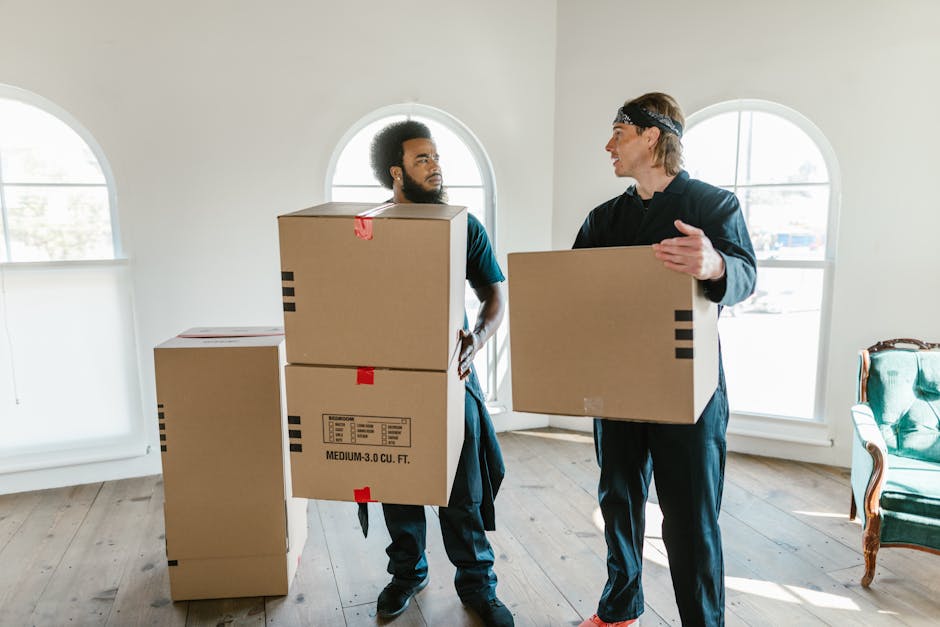
Kelsey Park removals planner for heavy furniture jobs
If you are planning a move near Kelsey Park and the job includes a sofa that barely fits through the hallway, a wardrobe that seems to have doubled in weight overnight, or a dining table that needs two strong pairs of hands and a bit of nerve, you are in the right place. A good Kelsey Park removals planner for heavy furniture jobs is not just about booking a van. It is about timing, access, lifting safety, protection for your home, and making sure the day does not turn into one of those mildly chaotic British afternoons where everyone is sweating, measuring door frames, and quietly regretting that oak dresser.
This guide walks through what the planner actually does, why it matters, how heavy furniture moves work in practice, and how to avoid the common mistakes that cost time and energy. You will also find a checklist, a practical comparison table, and straight-talking advice for anyone moving in or around the Kelsey Park area.
Table of Contents
- Why Kelsey Park removals planner for heavy furniture jobs Matters
- How Kelsey Park removals planner for heavy furniture jobs Works
- Key Benefits and Practical Advantages
- Who This Is For and When It Makes Sense
- Step-by-Step Guidance
- Expert Tips for Better Results
- Common Mistakes to Avoid
- Tools, Resources and Recommendations
- Law, Compliance, Standards, or Best Practice
- Options, Methods, or Comparison Table
- Case Study or Real-World Example
- Practical Checklist
- Conclusion
- Frequently Asked Questions
Why Kelsey Park removals planner for heavy furniture jobs Matters
Heavy furniture is where a move stops being a simple transport job and starts becoming a logistics problem. A planner matters because bulky items behave differently from boxes. They are harder to carry, harder to turn, easier to scratch, and often awkward in the exact places where homes become narrow: stair bends, porch corners, front doors that open the wrong way, shared hallways, and that one landing light fitting that is far too low for comfort.
In the Kelsey Park area, the problem can be less about distance and more about property type. You may be dealing with period houses, converted flats, split-level layouts, basement rooms, or parking that needs a bit of thinking ahead. To be fair, it is rarely the item itself that causes the headache. It is the combination of item weight, access, and timing.
A removals planner helps you break the job into manageable decisions. Which pieces should be moved first? Do they need dismantling? Is there a lift? Can a van stop close enough? Will the floor need protection? Is the sofa too wide to angle safely through the stairwell? These are the questions that decide whether the move feels controlled or messy.
For heavier items, planning also reduces risk. Lifting injuries, damaged walls, chipped banisters, crushed fingers, and strained backs are not dramatic rare-events; they are the kind of avoidable issues that happen when the job is under-planned. And once one mistake happens, everything slows down. The piano suddenly needs more room. The wardrobe no longer clears the corner. The day gets longer. The kettle gets used more. You get the idea.
Practical takeaway: heavy furniture moves are won before moving day, not during it. If access, lifting, and protection are sorted early, the rest usually feels much calmer.
How Kelsey Park removals planner for heavy furniture jobs Works
A good planner starts with a basic survey of the furniture and the route. That means looking at the size, shape, weight, fragility, and value of each item, then matching those details to the property layout. There is no magic to it, just method.
First, the job is broken down into categories. A bed frame is different from a marble coffee table. A wardrobe that dismantles neatly is different from a one-piece sideboard with fixed shelves. The planner decides what can be moved whole, what should be disassembled, what needs wrapping, and what may require specialist handling.
Next comes access. That is usually where the real story lives. You check entrances, stair widths, turns, ceiling height, lifts, parking, loading distance, and whether any item needs to be carried over thresholds or up steps. If a van cannot stop near the entrance, the team may need extra time or a different load plan. Small detail, big difference.
Then there is sequencing. Heavy items should not be left until the end when everyone is tired and the van is already partly packed. Usually, the largest or most awkward pieces are moved early, once the route is clear. Boxes can wait. The sofa, usually, should not.
Finally, the planner builds in protection and safety measures. That includes blankets, straps, trolleys, gloves, floor runners, and the right number of people. It also includes knowing when a job should not be forced. Sometimes the best professional decision is simply: this needs a different approach, or a different team, rather than brute force.
If you are arranging other moving services too, it can help to look at broader options such as removal services or specific support like furniture removals. The point is not to buy everything. The point is to choose the right setup for the actual furniture in front of you.
Key Benefits and Practical Advantages
The best heavy-furniture planning does more than save effort. It improves the whole move in ways that are easy to miss until you have done one the hard way.
- Less damage: careful planning reduces scrapes to doors, paintwork, flooring, and the furniture itself.
- Less strain: the load is shared properly, and items are handled using sensible lifting methods.
- Better timing: the team knows what comes first, what needs dismantling, and where delays might happen.
- Clearer costs: when the job is properly assessed, quotes are usually easier to understand and compare.
- Lower stress: there is far less last-minute guessing, which is honestly half the battle.
- Safer access handling: narrow halls, stairs, and parking issues are planned for instead of discovered too late.
There is also a quieter benefit: confidence. When you know the biggest items have been measured and thought through, the rest of the move tends to feel lighter, even if the boxes are not actually any lighter at all. Funny how that works.
For customers who only need a few bulky pieces shifted, a focused job can sometimes be more efficient than a full household removal. A service such as furniture pick up may suit one-off collections, while man and van support can be useful for smaller loads with awkward access. The real advantage is choosing a plan that matches the scale of the job, not the other way round.
Who This Is For and When It Makes Sense
This kind of planner makes sense for anyone handling furniture that is too bulky, too heavy, or too awkward to improvise safely. That sounds obvious, but in practice a lot of people wait until moving day to realise the wardrobe is the problem. A bit late, that.
You are likely to benefit if you are:
- moving out of or into a flat with stairs or limited lift access
- relocating a household that includes sofas, wardrobes, beds, dressers, or dining sets
- sending one or two heavy items to storage
- arranging a same-day move where timing is tight
- dealing with a period property, narrow hallway, or awkward front step
- booking a partial move rather than a full-scale removal
It also makes sense if the items are valuable or sentimental. A grandmother's sideboard, a decent piano, or a handmade dining table is not something you want bounced against a stair rail because someone assumed "it'll probably be fine." Probably is not a great strategy here.
If your move involves a mixed load, you may also want a broader solution like home moves or, for flatter layouts and shared-access buildings, flat removals. The trick is matching the service to the real access conditions, not just the postcode.
Step-by-Step Guidance
Here is a practical way to plan heavy furniture moves without turning the day into a scramble. Keep it simple, keep it measured, and do not skip the awkward bits.
1. List the large items first
Write down every piece that needs special attention. Include wardrobes, sofas, beds, bookcases, large desks, mirrors, and anything with glass, marble, or fixed shelves. One quick photo of each item helps a lot. It sounds basic because it is basic, and that is exactly why it works.
2. Measure the furniture and the route
Measure width, height, and depth of the item, then measure doorways, stair corners, hallways, and lifts. If possible, check the route from room to van as well. A lot of people only measure the front door. That is not enough. The item has to travel all the way out, not just cross the threshold.
3. Decide what can be dismantled
Some furniture is much easier if it is taken apart. Remove legs, shelves, drawers, loose panels, and anything that reduces bulk. Keep screws and fixings in labelled bags. This is where a tiny bit of organisation saves a lot of head-scratching later.
4. Check parking and loading access
Will the vehicle be close to the entrance? Is there a loading bay? Will neighbours' cars make access tight? If the van has to park further away than expected, the team may need more time and more manpower. In an area like Kelsey Park, these small access points matter more than people think.
5. Protect the property
Use floor protection, door guards, blankets, and padding for sharp corners. A well-planned heavy furniture move should leave the home looking as though everyone made an effort. Because they should.
6. Assign lifting roles
Two-person lifts are common, but some items need more hands or a different method entirely. Someone should lead the move, call directions, and watch for obstacles. That small bit of coordination makes a huge difference when turning corners or carrying items down stairs.
7. Pack the vehicle strategically
Heavier items usually go in first, positioned so they do not crush lighter goods. Fragile pieces need separation and padding. A moving van is not a single open bin. It is a puzzle. Pack it like one.
8. Have a backup plan
If an item will not clear the doorway, you need a fallback. That might mean a different angle, a temporary dismantle, or an alternate exit. Forcing it is not the clever move. It never is.
Expert Tips for Better Results
These are the small things that often separate a smooth furniture move from a frustrating one. Nothing fancy. Just the kind of practical judgement you tend to only appreciate after a few jobs.
- Book enough time: heavy items almost always take longer than people expect, especially if access is tight.
- Use proper protection: old blankets are useful, but purpose-made padding and straps make the job cleaner and safer.
- Leave drawers empty: a full drawer can throw off balance fast. Really fast.
- Photograph complex pieces before dismantling: it helps with reassembly later, especially if the furniture is a bit old or custom-made.
- Move obstacles before the team arrives: shoes, plants, bins, and hallway clutter all eat time.
- Tell the truth about weight: if a item feels very heavy, say so. No one gains from pretending it is manageable.
- Plan for weather: rain, muddy paths, and damp steps make bulky lifts more awkward, especially early morning or late evening.
One small but useful habit: leave a clear landing zone at each end of the move. Just a few metres of open space near the door can make the entire job smoother. Sounds minor. It is not.
If you are moving alongside other domestic items, it may help to look at packing and boxes or packing and unpacking services so the heavy furniture is not fighting for space with half-packed boxes and loose lampshades.
Common Mistakes to Avoid
Heavy furniture jobs go wrong in fairly predictable ways. The good news is that most of them are easy to prevent once you know what to watch for.
Underestimating access
A sofa may be light enough in theory but still impossible to turn in a narrow hallway. Measure the route, not just the room.
Skipping dismantling
Trying to move a flat-pack wardrobe fully assembled can be tempting, but it often creates unnecessary strain and a lot of bumping about. If it can come apart safely, usually it should.
Booking the wrong vehicle
A smaller van may save money at booking stage, then cost time on the day if the load has to be split into two runs. Sometimes the cheap choice turns out to be the expensive one. Annoying, but true.
Forgetting protection materials
Scratched banisters or damaged flooring can be more stressful than the move itself. Proper wrapping and floor protection should be part of the plan, not a nice extra.
Leaving heavy items until last
By the end of the day, people are tired and the van is less organised. Move the awkward stuff early while energy and attention are still decent.
Not mentioning stairs or obstacles
If there is a tricky staircase, a steep path, or a parking restriction, say so upfront. It is much easier to solve a known problem than a surprise one.
Truth be told, most avoidable moving stress comes from optimism mixed with incomplete information. That combo is sneaky.
Tools, Resources and Recommendations
There are a few useful tools and resources that make heavy furniture planning much easier. You do not need a full workshop. Just the right basics.
- Tape measure: essential for doors, hallways, furniture dimensions, and vehicle loading gaps.
- Furniture sliders: helpful for repositioning items on hard floors before the move.
- Blankets and wraps: protect wooden surfaces, corners, and polished finishes.
- Straps and lifting aids: useful for control and balance during larger lifts.
- Labels and marker pens: keep dismantled parts organised.
- Phone camera: useful for documenting assembly details, parking space, and the route.
In some situations, it makes sense to combine moving with short-term storage if access, timing, or completion dates do not line up cleanly. That can be especially helpful if you are dealing with a staggered move or a room that is not quite ready yet. A practical option like storage can take pressure off the day, especially when bulky items need to be kept safe for a short while.
You might also find it useful to review the company's approach to trust and handling before booking. Pages such as insurance and safety, health and safety policy, and pricing and quotes can help you judge whether the service is set up properly for heavy furniture work.
Law, Compliance, Standards, or Best Practice
Heavy furniture removals are not usually about complex legal procedures, but they do need sensible best practice. In the UK, anyone handling lifting jobs should work in a way that reduces the risk of injury and damage. That means using suitable equipment, enough people, and a plan that reflects the real weight and shape of the item.
It is also wise to check that the provider has clear insurance arrangements and a proper approach to safe handling. That is not paperwork for the sake of it. It is what gives you confidence if something unexpected happens. Nobody wants to test the system on moving day, but it matters.
Best practice also means being honest about access limitations. If a doorway is too narrow, a staircase too steep, or a load too awkward for safe manual carrying, the job may need a different method. A professional team should recognise that early rather than improvise badly.
If a move involves shared spaces, flats, or communal access, courteous behaviour matters too. Protect common areas, avoid blocking neighbours, and keep loading as tidy and brief as possible. That is not just good manners; it is good practice.
For peace of mind, some customers like to review the company's broader policies too, including terms and conditions and complaints procedure. It is not exciting reading, granted, but it helps set expectations properly.
Options, Methods, or Comparison Table
There is more than one way to handle a heavy furniture job. The best choice depends on how many items you have, how awkward they are, and how quickly the move needs to happen.
| Option | Best for | Strengths | Watch-outs |
|---|---|---|---|
| Single-item furniture move | One sofa, bed, wardrobe, or similar bulky piece | Focused, quick, and usually cost-efficient | Needs good measurement and access planning |
| Man and van support | Small to medium loads with mixed items | Flexible and practical for local moves | May not suit very heavy or specialist items without extra planning |
| Full removals service | Whole-home moves with multiple rooms | Better coordination across packing, loading, and transport | More involved than needed for a simple collection |
| Specialist handling | Pianos, antiques, very heavy or delicate pieces | Greater protection and skill for difficult items | Can cost more and may need advance booking |
The right method depends on the reality of the furniture. A heavy oak chest of drawers does not need the same handling as a piano, and both are different again from a dismantled bed frame. If you are unsure, ask for an assessment rather than guessing. Guessing has a terrible track record in removals.
Case Study or Real-World Example
Picture a typical Kelsey Park move: a two-bedroom flat, a wide sofa, a king-size bed, a dining table, and a large wardrobe that has survived three houses and one very determined cat. Nothing dramatic on its own. But the stairwell is tight, the parking is limited, and the wardrobe will not fit around the second-floor turn unless it is dismantled.
Instead of trying to muscle everything through in one go, the job is planned around the biggest obstacle first. The wardrobe is measured and partially dismantled. The bed frame is broken down and labelled. The sofa is protected and moved while the route is clear. The dining table is carried with proper padding and a second pair of hands at the right angle, not at the wrong angle with lots of hopeful grunting.
The result is a calmer move, fewer wall scuffs, and no rushed decisions at the point where everyone is already tired. The difference is not luck. It is planning.
That kind of job tends to feel almost boring when done well. And honestly, boring is lovely on moving day.
Practical Checklist
Use this checklist the day before your heavy furniture move in Kelsey Park. It keeps things steady when the day starts to speed up.
- Measure all large furniture items
- Measure doorways, stairs, and access points
- Check whether any item can be dismantled
- Label fixings, screws, and removable parts
- Clear hallways, landings, and entrances
- Protect flooring, corners, and walls
- Confirm parking and loading arrangements
- Tell the team about lifts, steps, or tight turns
- Set aside fragile or high-value items separately
- Prepare blankets, straps, tape, and wrapping materials
- Make sure the route from room to van is open
- Decide which item should be moved first
- Keep water and a phone charger handy; simple things, but useful
If you can tick most of those boxes, you are already ahead of the game. Not perfect. Just properly prepared. That is enough, and often more than enough.
Conclusion
A Kelsey Park removals planner for heavy furniture jobs is really a decision-making tool. It helps you handle weight, access, timing, protection, and safety in a way that makes the whole move more manageable. When bulky furniture is involved, the best outcomes almost always come from clear planning rather than last-minute effort.
Whether you are moving one awkward wardrobe or several large pieces, the core idea stays the same: measure properly, protect surfaces, use the right equipment, and plan the route before anyone starts lifting. Do that, and the day feels far less like a scramble and far more like a process you can actually control.
If you are comparing options or getting ready to book, it is worth checking the details carefully and choosing a team that understands heavy items, access issues, and the real-world messiness of home moves. That is where the difference shows.
Get a free quote today and see how much you can save.
And if the day still feels a bit much, that is normal. A good plan steadies the room, and a good move often starts with one calm, sensible decision.
Frequently Asked Questions
What does a Kelsey Park removals planner for heavy furniture jobs actually do?
It maps out the furniture, access route, lifting method, vehicle setup, and protection needed to move bulky items safely and efficiently. In simple terms, it stops people from guessing on moving day.
Do I need a planner for just one heavy item?
Yes, if the item is awkward, valuable, or difficult to get out. One large sofa or wardrobe can cause more trouble than a whole pile of boxes if the access is tight.
How far in advance should I plan a heavy furniture move?
As soon as you know the item, the route, and the date. A few days may be enough for a straightforward local job, but awkward access or dismantling usually needs more preparation.
Is dismantling furniture always necessary?
No, but it often helps. If an item can be safely taken apart to fit through doors or reduce weight, it is usually worth considering.
What makes heavy furniture moves risky?
The main risks are strain injuries, dropped items, scratches, and damage to walls or floors. Narrow routes and stairs increase the challenge quickly.
Can I move heavy furniture without professional help?
Sometimes, yes, if the item is manageable and the access is straightforward. But if you are dealing with stairs, narrow halls, or a very heavy piece, professional help is usually the safer call.
How do I know what size vehicle I need?
It depends on the number of items, how much can be dismantled, and whether the furniture needs extra space for padding. A proper assessment is better than trying to estimate by eye.
What should I tell the removals team before the job?
Share the sizes, weight concerns, access limitations, parking details, and anything fragile or valuable. The more accurate the information, the smoother the move tends to be.
Are heavy furniture jobs more expensive?
They can be, because they often need more labour, time, or equipment. The exact cost depends on the item, access, distance, and service level.
What if the furniture will not fit through the doorway?
Do not force it. Check whether the item can be dismantled, turned differently, or taken through another route. If needed, ask for a professional assessment before attempting the lift.
Do I need insurance for heavy furniture removals?
It is wise to make sure the provider has suitable insurance and safety procedures. That gives you an extra layer of confidence if something unexpected happens.
Is same-day help possible for heavy furniture?
Sometimes, yes, especially for smaller or local jobs. But if the item is very bulky or access is tricky, advance planning is a lot safer and easier.